West Virginia Introduces SuperPave
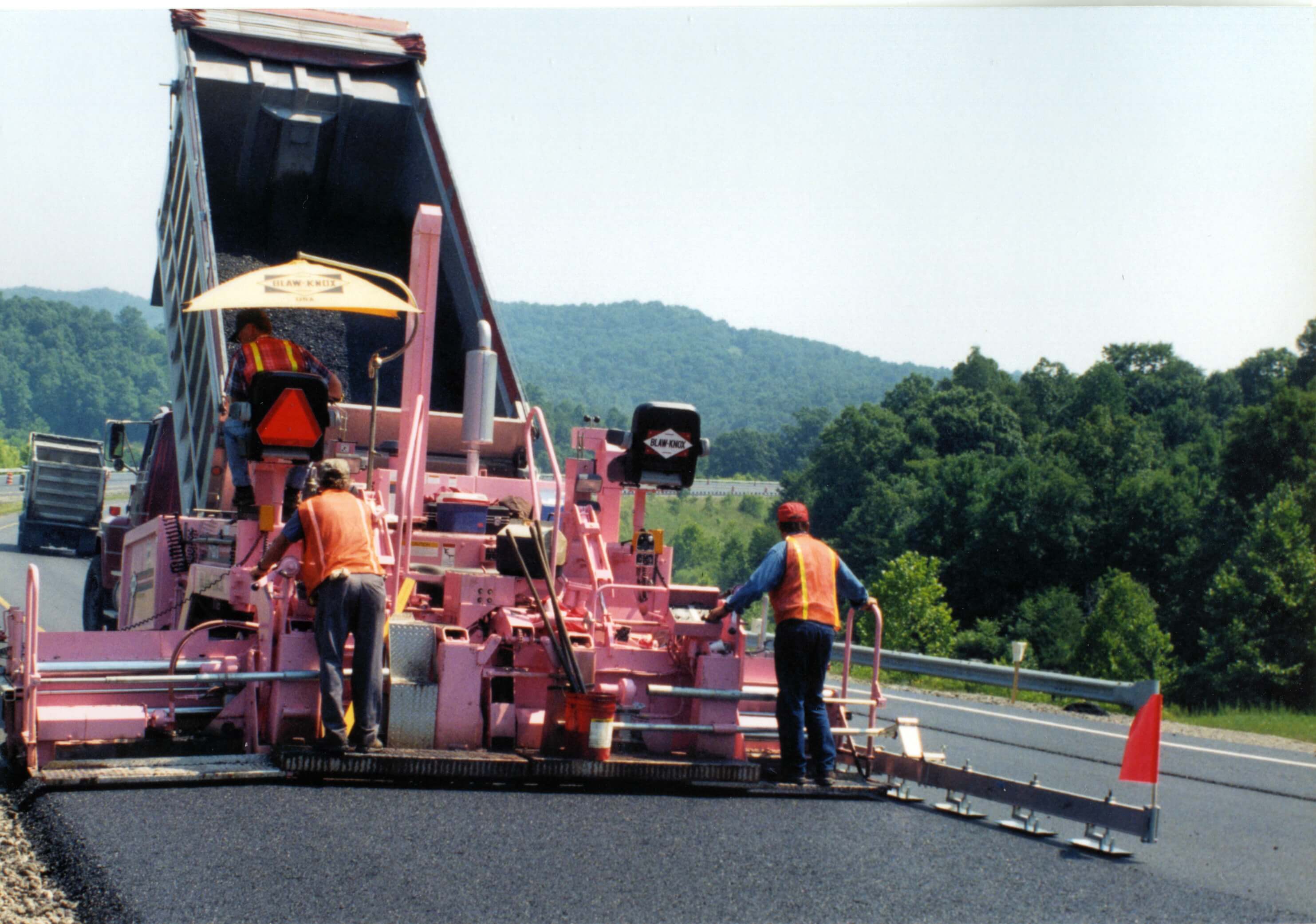
The first Superpave project in West Virginia has been successfully completed. This has moved West Virginia up into the ranks of other states that are implementing Superpave as a viable mix design option in the construction of our highways. Overall, the Superpave project has been deemed a success by the state as well as the contractor, Orders & Haynes. Furthermore, since this was the first project of its kind in West Virginia, it also served as a valuable learning tool. The knowledge acquired from this project will certainly be helpful in future Superpave projects. In fact, West Virginia will be initiating four more projects using Superpave technology in 1998. Furthermore, some of the new highway construction taking place in Corridor H will take advantage of the Superpave mix design method.
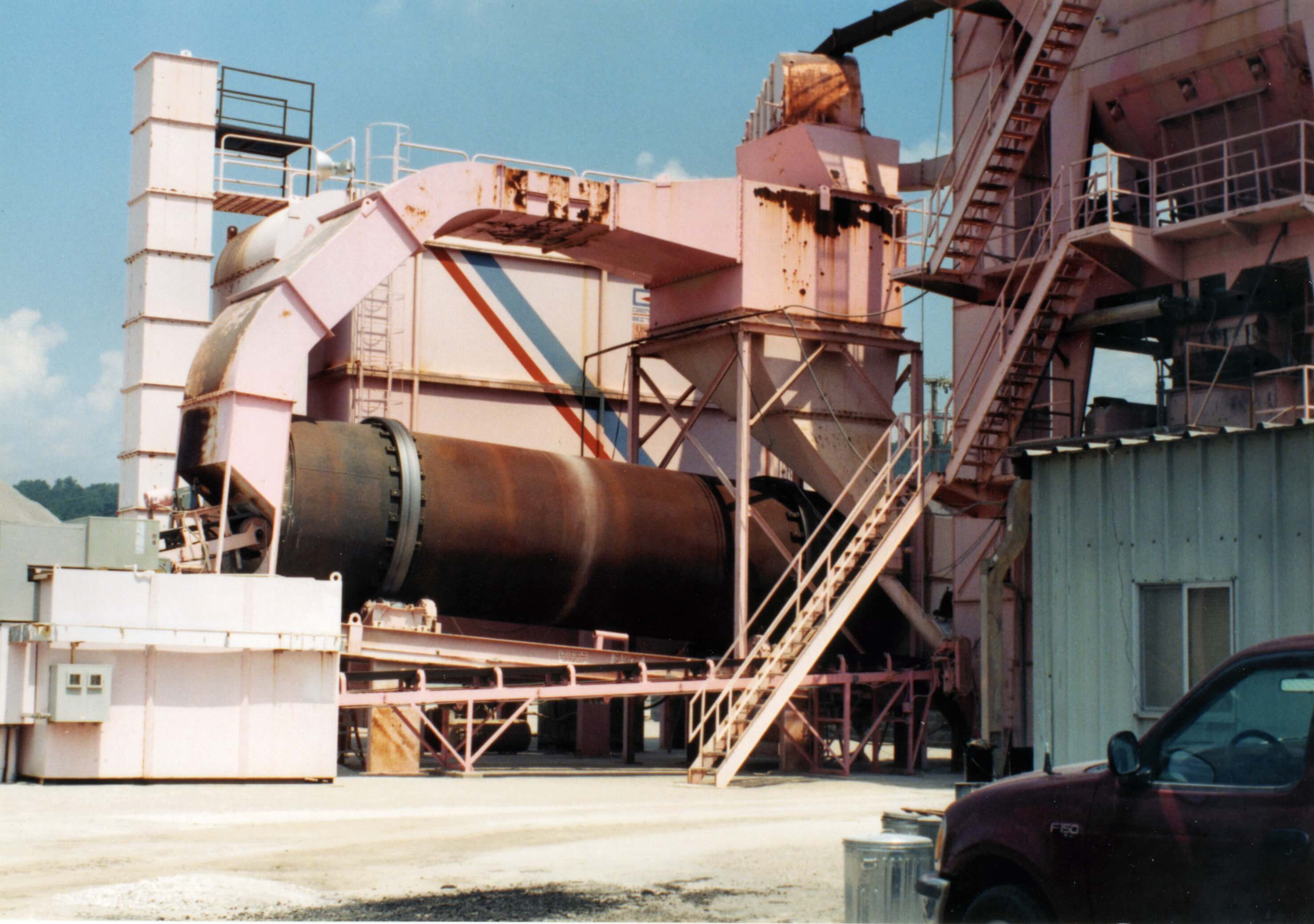
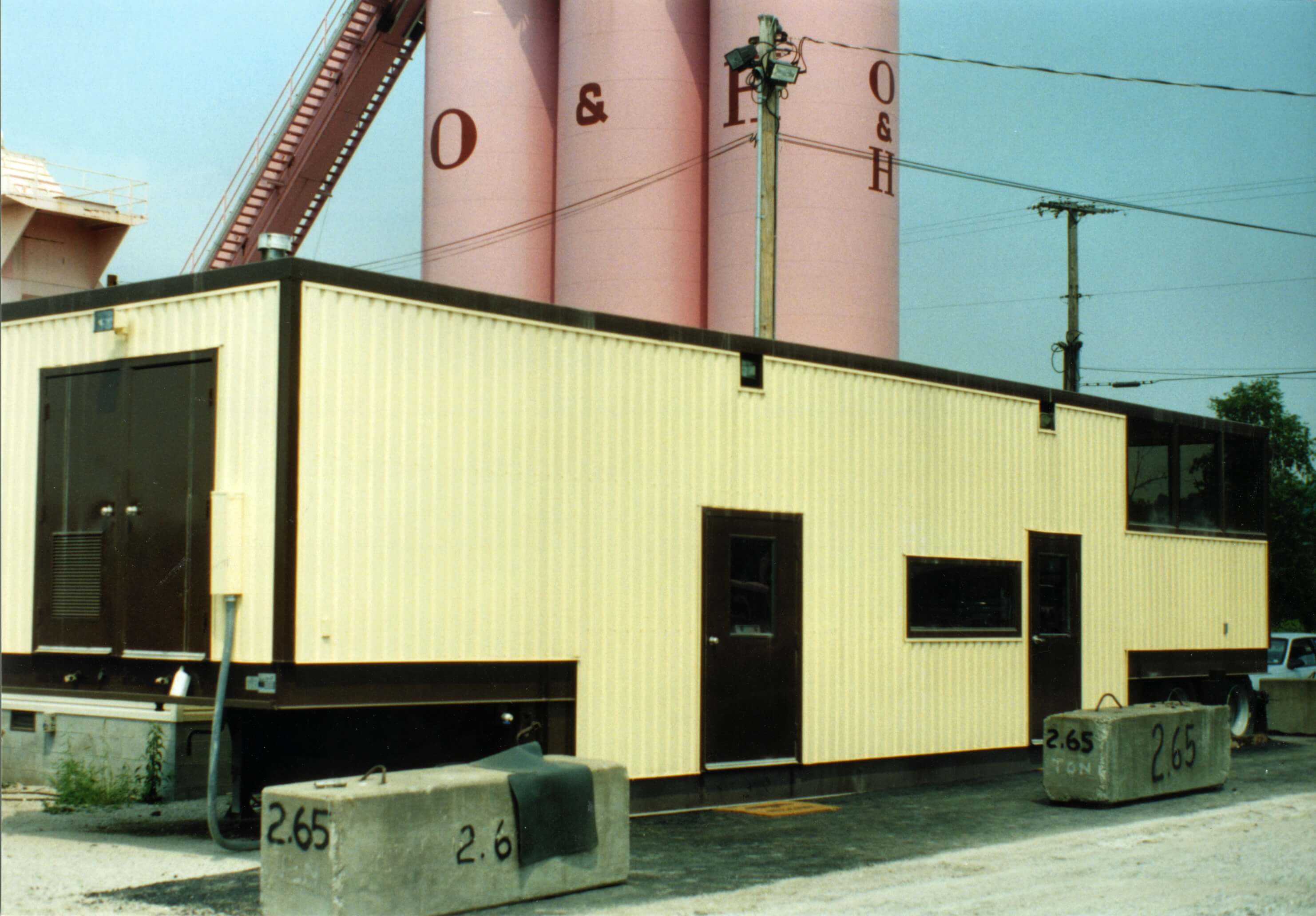
The Superpave Trailer, parked in its current location - Poca, WV
The laboratory was designed and constructed by Pavement Technology, Inc. (PTI) and is the first of its kind purchased in the United States. The lab consists of a tandem-axle mobile trailer with a fifth wheel connection and standard trailer air-braking system. The trailer is 15.2 m in length, 4.3 m high and 3.7 m wide.
This is one of the first labs of its kind that is completely paperless. The testing lab equipment such as the gyratory compactor, ignition oven and balance are connected to a computer that stores and collects all test data. ASTER Systems, Inc developed this system. The software for this system can design Marshall and Superpave mixes and evaluate the mix’s properties before the mix is actually produced.
Over 90% of all paved surfaces in the United States are hot mix asphalt. Studies have shown that in the past twenty years, vehicle miles traveled per year in the United States have increased by 75% and in the past ten years, equivalent single axle loads (ESAL’s) applied to the roadways have increased by approximately 61%. Superpave was developed with these factors in mind in hopes to design and produce a better performing hot mix asphalt pavement. Through this project, we hope to learn how our conventional pavements compare to Superpave designed pavements and if Superpave can improve the performance of our pavements in West Virginia.
With this project, we have been able to compare Superpave with conventional asphalt mixes. This has been a learning experience for the state and contractor alike; as a result, we have developed a better understanding of Superpave technology. We have seen how this technology can be applied to situations unique to our state, including not only geography and climate conditions but economic situations as well. By applying the knowledge we have gained we will achieve our ultimate goal in this endeavor -- building better roads.